Types of Computer Hardware learn and grow your skills today
Published: 30 Mar 2026
Many people waste money on the wrong computer parts because they do not understand what they really need. I have worked with many users who bought expensive systems but still faced slow speed, overheating, and poor performance. The main reason behind this problem is a lack of knowledge about the types of computer hardware and how each part works together. When you do not understand hardware, you often choose the wrong components or ignore important ones. I learned this through real experience while fixing systems and helping users improve their setups. Once you clearly understand the types of computer hardware, you can avoid these costly mistakes, improve your system performance, and choose the right device based on your actual needs without any confusion.
Types of Computer Hardware Step by Step
Understanding the types of computer hardware helps you use your system in a smarter way. I have seen many users face problems just because they do not know how these parts work together. When you learn this step by step, you can easily choose the right hardware and avoid common issues. This knowledge also helps you improve performance and handle basic troubleshooting on your own.
Let’s explore the main types of input devices below:
- Input Devices
- Output Devices
- Processing Devices
- Primary Memory
- Secondary Memory
- Storage Devices
- Networking Devices
- Peripheral Devices
- Internal Hardware
- External Hardware
Input Devices
Input devices let you give instructions to the computer in a direct way. I use them daily to control tasks and enter data quickly. Without these devices, you cannot interact with the system at all. Each device works differently based on the type of input you need. Some devices focus on typing, while others capture voice or images. When you understand their use, you can work more smoothly. This also helps you pick the right device for your daily tasks.
- Used to enter data into system
- Help users control computer easily
- Convert actions into digital signals
- Improve speed of daily work tasks
Tip: Pick input devices that match your work style for better comfort.
Output Devices
Output devices display the results after the computer processes your data. I rely on them to check work and understand results clearly. These devices help you see, hear, or print information in a useful form. Without them, you cannot know what the system has done. Different devices serve different output needs in daily use. When you choose the right one, your experience becomes much better. Clear output always helps in better decision making.
- Show results after data processing
- Provide visual audio or printed output
- Help users understand system responses
- Improve overall user experience quality
Tip: Use reliable output devices for clear and accurate results.
Processing Devices
Processing devices handle all the operations inside the computer system. I always check this part first when performance feels slow. These devices take input data and turn it into useful output. Without them, the system cannot perform any task. Strong processing improves speed and system efficiency. Each component plays a key role in handling instructions. When you understand this, you can make better hardware choices.
- Process data and execute instructions quickly
- Control overall system performance and speed
- Handle multiple tasks at same time
- Manage flow of data between components
Tip: Choose a powerful processor for smooth and fast performance.
Primary Memory
Primary memory stores data that the computer uses right now. I have seen how it directly affects system speed and response time. This memory works very fast but holds data for a short time. Once the system turns off, most of the data is lost. It supports the processor by giving quick access to information. Better memory means smoother multitasking and faster operations. Understanding this helps you improve system performance easily.
- Stores data temporarily during active tasks
- Provides fast access to running programs
- Supports processor with quick data flow
- Improves multitasking and system response
Tip: Increase memory size to handle more tasks without slowing down.
Secondary Memory
Secondary memory stores data for a long time and keeps it safe even when the computer turns off. I use it to save important files, documents, and media without worry. It works slower than primary memory but offers much larger space. Without it, you cannot keep your data for future use. Different types of secondary memory support different storage needs. When you understand this, you can manage your files in a better way. This also helps you choose the right storage option for daily use.
- Stores data for long term use
- Keeps files safe after power off
- Provides large storage space for users
- Supports backup of important information
Tip: Always keep a backup in secondary memory to protect your data.
Storage Devices
Storage devices help you save, transfer, and manage your data easily. I often use them to move files between systems and keep extra copies. These devices come in many forms based on size and speed. Without them, handling large data becomes very difficult. Each device offers a different level of performance and capacity. When you choose the right one, your work becomes more efficient. This also reduces the risk of losing important files.
- Used to store and manage data
- Help transfer files between different systems
- Available in different sizes and speeds
- Support safe storage of large files
Tip: Choose storage devices based on speed and capacity needs.
Networking Devices
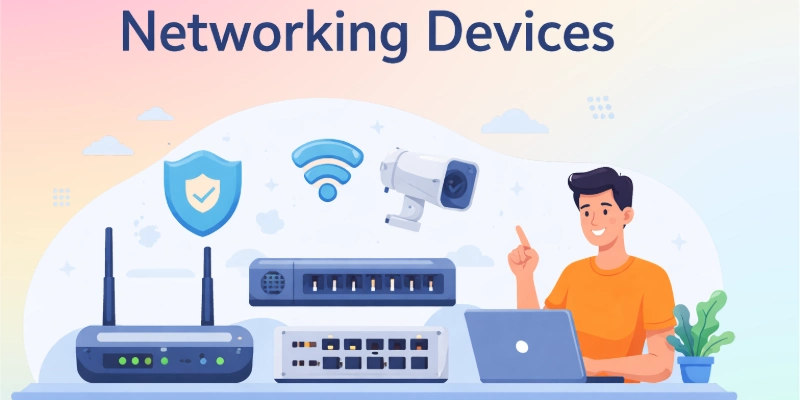
Networking devices connect computers and allow them to share data. I rely on them to access the internet and connect multiple systems. Without these devices, communication between computers is not possible. They help send and receive data quickly across networks. Each device plays a role in maintaining a stable connection. When you understand them, you can improve network performance easily. This also helps you fix common connection issues faster.
- Connect multiple devices in a network
- Enable data sharing between systems
- Provide internet access to users
- Maintain stable and secure connections
Tip: Use quality networking devices for strong and stable connectivity.
Peripheral Devices
Peripheral devices add extra functions to a computer system. I use them to improve usability and complete different tasks easily. These devices are not always required but make work more comfortable. Without them, your system may feel limited in use. They connect externally and support many operations. When you use the right peripherals, your productivity increases. This also enhances your overall computer experience.
- Add extra features to computer system
- Connect externally with main hardware
- Improve user comfort and productivity
- Support different types of tasks easily
Tip: Select only useful peripheral devices to avoid unnecessary clutter.
Internal Hardware
Internal hardware includes all the parts inside the computer that handle core functions. I have worked with these components while fixing and upgrading systems. These parts stay hidden but control everything from speed to processing. Without them, the computer cannot run any program. Each component connects closely and works as a single unit. When you understand internal hardware, you can improve performance and fix basic issues easily.
- Installed inside computer system case
- Handles processing and core operations
- Works together for system performance
- Includes essential components for computing
Tip: Keep internal hardware clean to maintain good performance.
External Hardware
External hardware includes devices that you can see and connect from outside. I use these devices daily to interact with the computer and complete tasks. These parts make the system more useful and user friendly. Without them, using a computer becomes difficult. Each device serves a specific purpose based on your needs. When you choose the right external hardware, your work becomes faster and more comfortable.
- Connected outside computer system easily
- Helps users interact with computer
- Supports input and output operations
- Improves overall user experience
Tip: Choose durable external devices for long term use.
How Computer Hardware Are Used in Daily Life
Computer hardware plays an important role in daily life, even if many people do not notice it. I see it in almost every task, from simple communication to complex work. These physical parts help us complete tasks faster and more efficiently. When you understand their use, you start using technology in a smarter way.
- Office work tasks: Computers handle documents, spreadsheets, and emails, which helps people complete office work quickly and stay organized throughout the day.
- Online learning systems: Hardware supports video classes, assignments, and research, making education easier to access from home or anywhere.
- Communication tools use: Devices like microphones, webcams, and speakers help people connect through calls, meetings, and social platforms.
- Entertainment activities daily: Systems run games, movies, and music, giving users a smooth and enjoyable experience at any time.
- Banking and payments: Hardware systems process transactions, manage accounts, and ensure secure digital payments in everyday life.
- Home smart devices: Many devices control lights, security systems, and appliances, making daily routines more comfortable and efficient.
Conclusion Types of Computer Hardware
In this guide, we have covered “Computer Hardware.” From my experience, I suggest that you focus on both benefits and risks before making any decision. Hardware can improve your work, but poor choices can create issues like slow speed or damage. You can manage these risks by using trusted devices, handling them with care, and avoiding unnecessary upgrades. This balanced approach always gives better results in the long run. I truly appreciate your time and attention while reading this guide.
Don’t skip the next part of the FAQs. I hope you will find something more interesting, so don’t miss it. If you miss it, you may lose something new.
FAQS Types of Computer Hardware
The main types of computer hardware include input devices, output devices, processing devices, and storage devices. Each type performs a specific role in the system. Together, they help the computer work smoothly.
Computer hardware refers to the physical parts you can touch, like a keyboard or monitor. Software includes programs and applications that run on the hardware. Both work together to complete tasks.
Input devices are hardware components used to enter data into a computer. Common examples include a keyboard, mouse, and scanner. They help users interact with the system easily.
Output devices show the result of processed data to the user. Examples include monitors, printers, and speakers. They help you see or hear the final output.
Processing hardware handles instructions and performs calculations. The CPU is the main processing device in a computer. It controls how data moves and gets processed.
Storage devices save data for future use. They include hard drives, SSDs, and USB drives. These devices keep your files safe even when the computer is off.
Primary memory stores data temporarily while the computer runs. Secondary memory stores data for a long time. Both are important for system performance and data management.




- Be Respectful
- Stay Relevant
- Stay Positive
- True Feedback
- Encourage Discussion
- Avoid Spamming
- No Fake News
- Don't Copy-Paste
- No Personal Attacks
- Be Respectful
- Stay Relevant
- Stay Positive
- True Feedback
- Encourage Discussion
- Avoid Spamming
- No Fake News
- Don't Copy-Paste
- No Personal Attacks
